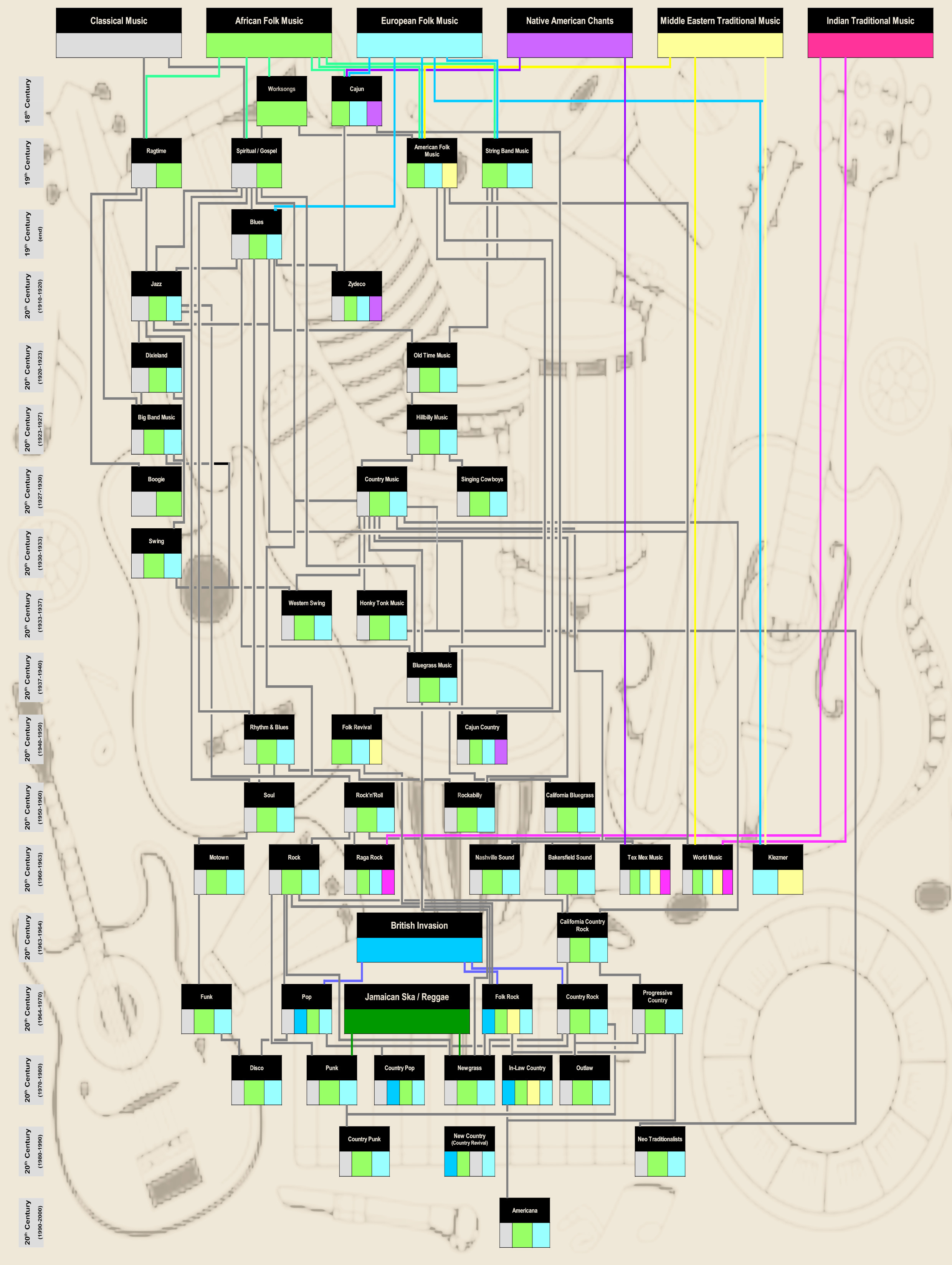
On this page, we've attempted to summarize the development of country music in a family tree.
Where it originated, what influences it had, and where it branched off from.
The family tree speaks for itself, so we've included only a brief text on each genre below.
There are so many great books about "Country Music" available, but this family tree is unique!
We added some examples for each country music style with short sound samples.
It was also important to us to present the development of country music chronologically,
because with some artists, you might think they were the first to do it,
or some styles emerged later or earlier than you think.
There are also "Sound Samples", so you can hear what you are reading immediately.
(The sound samples are not always the most famous hits, but rather from the beginning of their career when the new genre was created/started.)
So if you're interested in the stories and all the background informations,
you have to buy one ore more of the great books out there.
If you want to learn about the development of country music and hear musical examples,
you've come to the right place.
WHAT IS COUNTRY MUSIC? "COUNTRY MUSIC IS ANY RECORD "COUNTRY RADIO" WILL PLAY AND "COUNTRY FANS" WILL BUY!"
Note: We haven't added any pictures of country musicians.
I'm sure everyone knows how Hank Williams, Willie Nelson, George Strait, Garth Brooks .... and all the other country stars & bands look.
COUNTRY MUSIC FAMILY TREE
(Click family tree to enlarge)
First a quick look at the most important instruments in "Country Music" and where they came from:
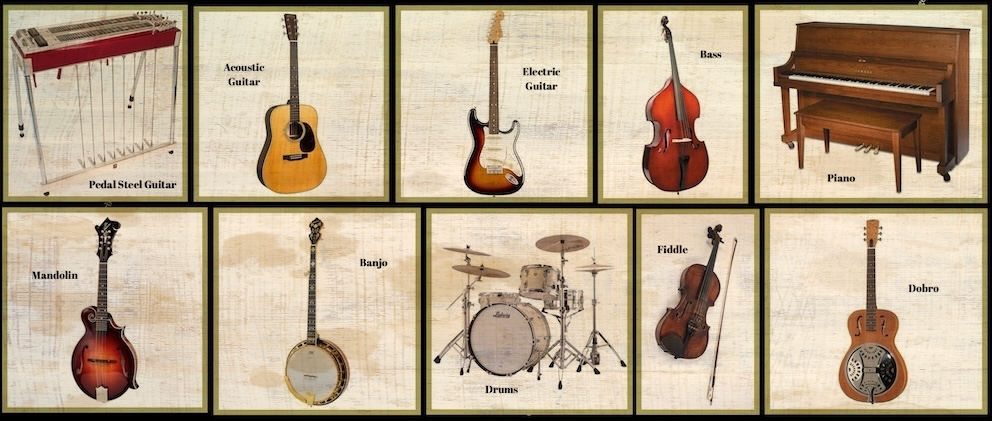
Fiddle - from Europe (Italy, first attempts in Spain)
Banjo - from Africa (West Africa)
Guitar - from Europe (Spain)
Steel Guitar - from Hawaii (later USA)
Pedal Steel Guitar - from USA
Bass - from Europe (Italy)
Dobro - from USA (by Slovak immigrant)
Piano - from Europe (Italy)
Percussions/Drums - probably the oldest instrument in the world.
The first drum set was built in the USA.
"In the beginning"
"Country Music" as we know it, began to take shape in the end of the 19th century.
A mixture of European folk music, African folk music & Classical music was mixed into "Worksongs" and "Spiritual music".
That became String Band Music, American Folk Music, Blues, Gospel and Jazz.
The first settlers in the South brought fiddles from Ireland, Scottland and England.
"Early 1920s"
The phonograph was becoming a common household item, joined soon after by the radio.
Country musicians began appearing on the new medium of radio. They performed live, and there were still hardly any recordings of old-time music.
The audience responds enthusiastically to the shows, and soon regular programs are established, the so-called "Barn Dance Shows".
The music played on those "National Barn Dances" was a lot of vauderville, barbershop quartets, polka bands and some kind of cowboy songs.
But a new musical genre was born, the most popular being "Old Time Music".
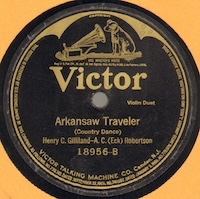
The first one to make a "Country" record was "Eck Robertson" in the summer of 1922, released in April 1923. It was, by all accounts, "Country Music's" first release!
"Eck Robertson's" versions of the old-time fiddle tunes "Sallie Gooden" and "Arkansaw Traveler".
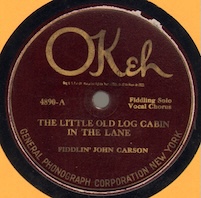
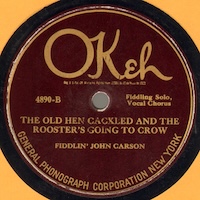
In June 1923, "Fiddllin' John Carson&qout; recorded the single "Little Old Log Cabin in the Lane" with B-side "The Old Hen Cackled and the Rooster's Going to Crow".
This was the first hit in "Country Music".
Note: It was "Billboard" who called 1949 the music "Country Music", before 1949 it was "Hillybilly Music"!
"Sound samples"
 |
 |
 |
 |
"First "Cowoboy Songs" recordings - 1925"
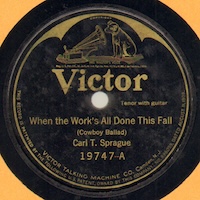
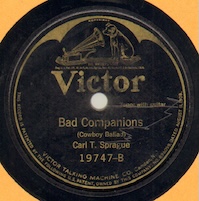
"Carl T. Sprague" recorded in August 1925 the first "Cowboy Songs". He helped establish the image of the "Singing Cowboy".
"Sound samples"
 |
 |
November 28th, 1925, "The Grand Ole Opry" goes on air for the first time!
The early "Opry" was a heady mixture of hard-core string bands, traditional singers, down-home gospel quartets and robust banjo players like "Uncle Dave Macon".
"Jimmie Rodgers" & "The Carter Family" - 1927"
Prior to "Jimmie Rodgers" or "The Carter Family" there was "string band" music, mostly instrumental (fiddle, banjo, guitar, mandolin or autoharp or harmonica) - and they started to add vocals.
"Ralph Peer" was the first music industry executive to seriously pursue what is now known as "Country Music".
He also discovered and promoted the first major stars. For his achievements, he was inducted into the Country Music Hall of Fame in 1984.
"Ralph Peer" who recorded "Fiddlin' John Carson" 1923, drove 1927 with a mobile recording studio to Bristol, Tennessee to record dozen of musicians.
"The Bristol Sessions" were a series of recording sessions held in 1927, considered by some as the "Big Bang" of "Country Music".
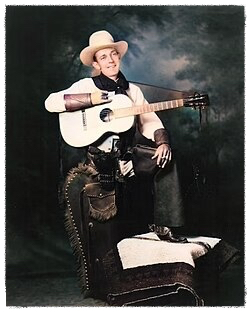
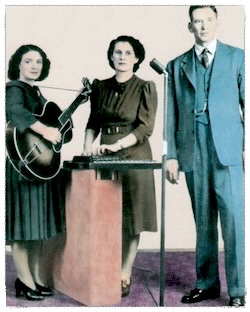
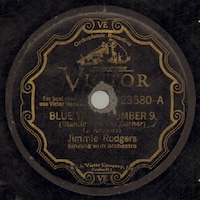
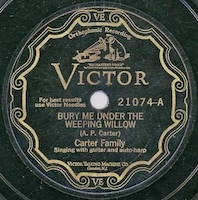
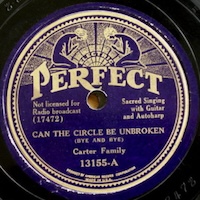
"The Bristol Sessions" marked the commercial debuts of "Jimmie Rodgers" and "The Carter Family".
As a result of the influence of these recoring sessions, Bristol has been called the "BIRTHPLACE OF COUNTRY MUSIC".
 Jimmie Rodgers |
"The Carter Family" recorded on August 1st and 2nd 1927 following songs:
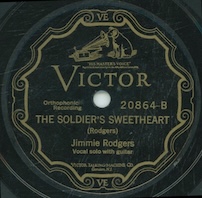
- Bury me under the weeping Willow "Jimmie Rodgers" recorded on Augst 4th 1927:
- The Soldier's Sweetheart |
 The Carter Family |
"Jimmie Rodgers" added authentic blues lyrics from Afro-American folk song, jazzy dance-band accompaniments, and a cool, catchy, vibrant vocal style that is still finding its way into the work of Nashville's young and restless.
"The Carter Family", more traditional and less flashy, influenced the music in ways that were subtle but no less significant.
"Sound samples"
 |
 |
 |
 |
"Hollywood-Boom of the "Singing Cowboys" & "Cowgirls" - 1929"
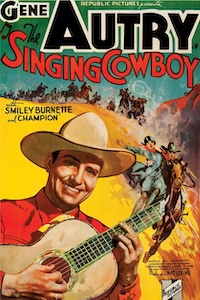
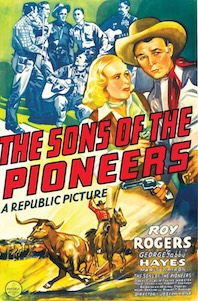
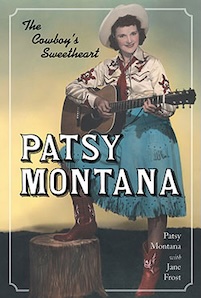
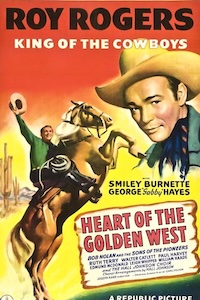
"Gene Autry", "Patsy Montana", "The Sons Of The Pinoeers" & "Roy Rogers" became the first stars of the genre."Tex Ritter" became the third "Singin Cowboy" star after "Gene Autry" & "Roy Rogers".
In 1938, "Leonard Slye" left the Sons Of The Pioneers" and became famous as "Roy Rogers"!
Hollywood is making a lot of movies with the "Singing Cowboys".
"Sound samples"
 |
 |
 |
 |
"Radio"
Radio's popularity grew rapidly in the late 1920s and early 1930s, and by 1934, 60 percent of the US nation's households had radios.
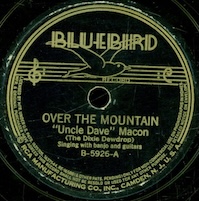
The first real stars on the "Opry" were "Uncle Dave Macon" & "The Delmore Brothers".
 |
 |
"Western Swing - 1933"
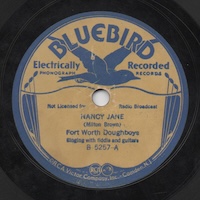
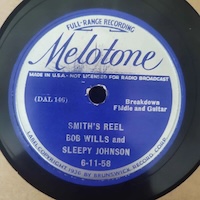
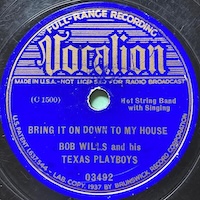
"Western Swing" was pioneered by figures like "Milton Brown" and "Bob Wills".
It combines elements of Country, Blues, Jazz, Swing, Big Band, German Polkas ... .
Characterized by its danceable, up-tempo rhythms, prominent fiddle and steel guitar, and improvisational soloing.
Note: The elctric guitar was invented in 1932.
"Sound samples"
 |
 |
 |
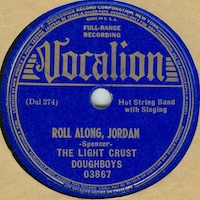 |
"Honky Tonk - 1937"
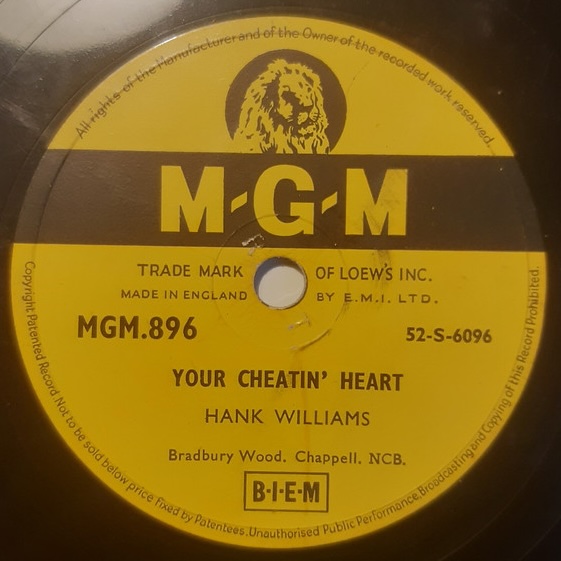
The first song with "Honky Tonk" in the title was by "Al Dexter"."Ernest Tubb's" recorded "Walking The Floor Over You" 1941 and helped establish the honky-tonk style.
"Ernest Tubb" took the sound to Nashville, where he was the first musician to play electric guitar on the " Grand Ole Opry".
In the 1950s, "Honky Tonk" entered its golden age with the popularity of "Webb Pierce", "Hank Locklin", "Lefty Frizzell", "Faron Young" and of course "Hank Williams".
In the mid- to late 1950s, "Rockabilly" and the slick country music of the "Nashville Sound" ended "Honky Tonk's" initial period of dominance.
Note: The pedal steel guitar was invented 1939.
"Sound samples"
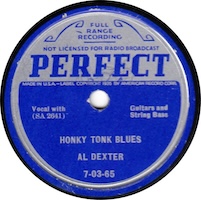 |
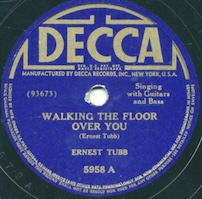 |
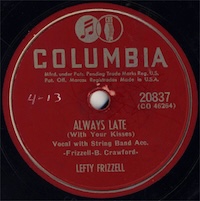 |
 |
"Bluegrass - 1938"
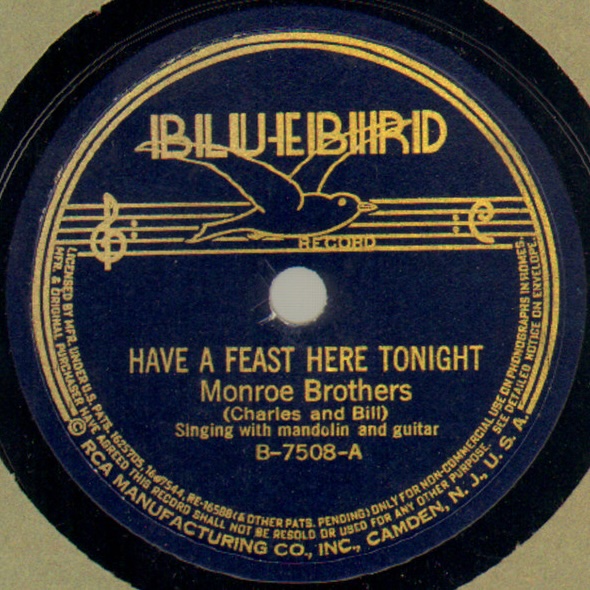
"Bill Monroe" helped define the "Bluegrass" genre.Bill's band was different from other traditional country bands with its characteristic acoustic instrumentation, fast tempos, high "lonesome" vocal harmonies, and later virtuosic banjo playing by "Earl Scruggs".
"Bluegrass" music incorporated songs and rhythms from string band, gospel (black and white), black laborer work song, country, and blues music repertoires.
The first stars were "Bill Monroe & His Blue Grass Boys" (that's where the name came for the new genre),
&qout;Lester Flatt & Earl Scruggs (they left "Bill Monroe's" band and formed "Lester Flatt & Earl Scruggs with The Foggy Mountain Boys",
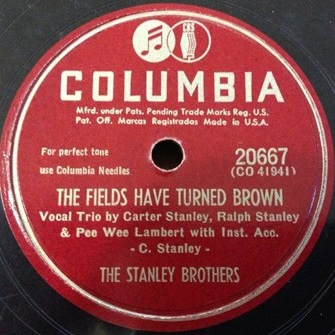
"The Stanley Brothers", "Reno & Smiley".
"Sound samples"
 |
 |
 |
 |
Note: The "Louisiana Hayride" was a radio and later television Country Music show that was broadcast from Shreveport, Louisiana;.
It helped to launch the careers of some of the greatest names in American country and western music.
The first broadcast on April 3, 1948.
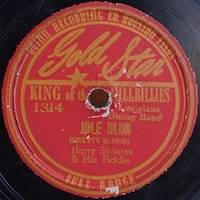
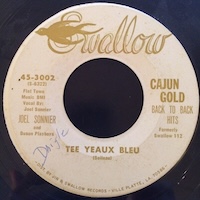
"Cajun Country - 1946"
The Cajuns are descendants from the Canadian province of Acadia. Many Acadians immigrated to French Louisiana.
In the Louisian bayous, the exiles adapted quickly to the familiar French culture and mixed easily with the local inhabitants descended from
French an Spain colonists, African slaves and Native Americans.
It was not until 1946 that "Cajun Music" had any real national impact.
Mainstream country performers were soon attracted by the good-time sounds and singers like "Hank Williams" who wrote and recorded "Jambalya",
and "Jimmie Davis" who recorded Cajun favorites, helped bring. Cajun music to a much wieder country music audience.
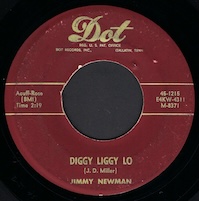
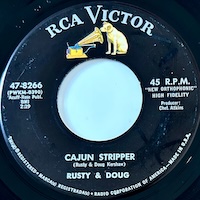
By the 1950s, Cajun artists like "Jimmy C. Newman" and "Rusty & Doug Kershaw" had become important mainstream country music stars.
"Sound samples"
 |
 |
 |
 |
"Rockabilly - 1954"
"Rock'n'Roll" was developed in the early 1950s. It's a fusion of "Rhythm & Blues", "Country" "Jazz" and "Gospel".The identity of the first rock and roll record is one of the most enduring subjects of debate among rock historians.
But one of the first "Rock'n'Roll" songs was "Rocket 88", recorded 1951 by "Jackie Brenston and his Delta Cats" (that's Ike Turner's band).
"Bill Haley's" "Rock Around the Clock" released in 1954 was the first "Rock'n'Roll" record to achieve significant commercial success.
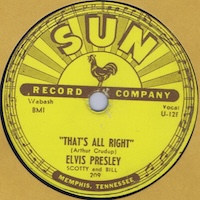
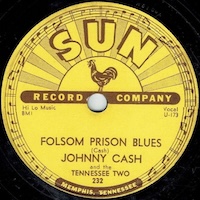
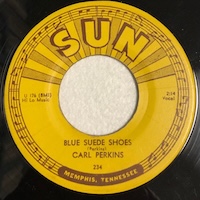
"Rockabilly" originated in the same era, and is a subgenre of "Rock'n'Roll" that combines elements of "Rock'n'Roll" with "Country Music" (particularly "Honky Tonk").
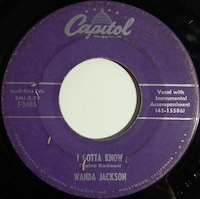
First important artists were "Elvis Persley", "Carl Perkins" "Wanda Jackson" and an early "Johnny Cash".
"Sound samples"
 |
 |
 |
 |
Note: Country music experienced less interest in the 1950s due to the rise of new, energetic genres like "Rock'n'Roll", & "Rhythm & Blues",
which captured the attention of young audiences with their rebellious themes and distinct sounds.
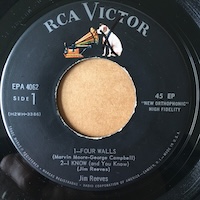
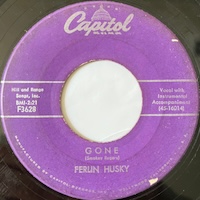
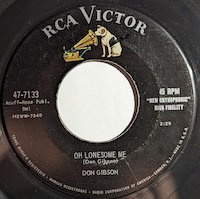
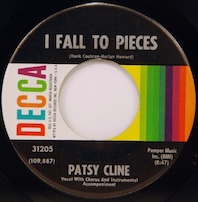
"Nashville Sound - 1956"
In the mid-1950s, fewer and fewer country records were sold.
"Chet Atkins" is considered the founder and chief architect of the "Nashville Sound".
Along with other influential figures such as producer "Owen Bradley", as well as sound engineer "Bill Porter".
This sound was completetly different and was moving away from the style of "Jimmie Rodgers" or "Hank Williams".
It's a smooth and polished sound with strings instead of fiddles, a chorus instead of a background singer ... !
Note: "Music Row" is the name given to the historic Nashville neighborhood centered on 16th and 17th Avenues that became the heart of the music industry with recording studios and record labels,
after WSM announcer David Cobb dubbed Nashville "Music City, USA" in 1950.
The area attracted record labels, music publishers, recording studios, and other industry professionals, fostering the development of the "Nashville Sound" and establishing the city as a major music capital.
Nashville became the center of the country record industry.
"Sound samples"
 |
 |
 |
 |
Note: "The Country Music Association" (CMA) was founded in Nashville, Tennessee 1958 by businessmen who wanted to promote the commercialization of "Country Music".
Also that year the term "Country & Western" became "Country Music".
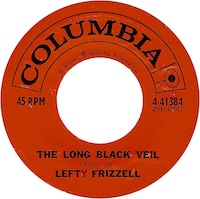
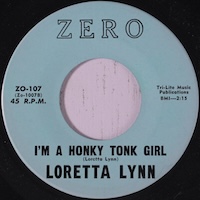
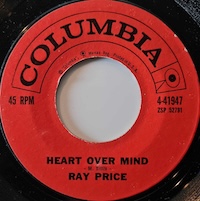
"Traditional Country Music - late50s - early 60s"
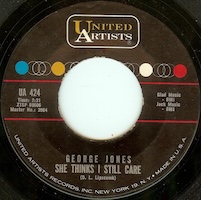
There was still great real "Country Music" in the late 1950's and early 1960's.
Great voices, great stories, fiddles and steel guitars, a twangy guitar... !
"Sound samples"
 |
 |
 |
 |
"California Bluegrass - 1958"
The main difference between "Bluegrass" and "California Bluegrass"is that "Bluegrass" is a traditional, Appalachian-born genre,
while "California Bluegrass" is a modern offshoot that incorporates progressive, singer-songwriter, and even experimental elements.
"California Bluegrass" is more experimental, featuring more varied and non-conventional song structures and themes.
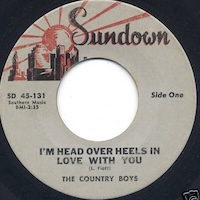
"The White family" (Clarence, Roland & Eric) moved to California 1954. In the middle of 1957 the three brothers began appearing regularly on a local radio show.
The appeared first as "Three Little Country Boys", later as "The Country Boys" and became famous 1962 as "The Kentucky Colonels".
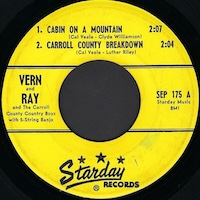
"Vern & Ray and the Carroll County Country Boys" started around 1959 - Vern Williams & Ray Park.
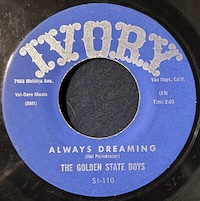
"The Scottsville Squirrel Barkers" with Chris Hillman, Kenny Wertz, Larry Murray ... and "The Golden State Boys" with Hal Poindexter, Herb Rice and later Don Parmley, Vern Gosdin ... were formed 1960.
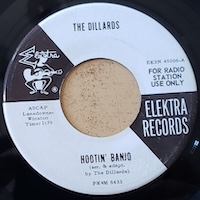
"The Dillards" came to Los Angeles in November 1962.
"Sound samples"
 |
 |
 |
 |
"Country - R&B - Soul - 1962"
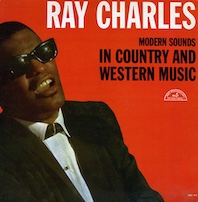
"Ray Charles" recorded 1962 the album "Modern Sounds In Country And Western Music".
The album became a massive hit, topping the Billboard album chart and introducing many listeners to "Country music" for the first time.
The "Don Gibson" song "I Can't Stop Loving You" was a significant commercial success.
Willie Nelson said once: "Ray Charles did more for the popularity of "Country Music" then anyone else.
"Sound sample"
 |
"Bakersfield Sound - early 60s"
"The Bakersfield Sound" is a sub-genre of country music that emergedin Bakersfield, California, as a rebellious alternative to the polished, orchestrated "Nashville Sound".
It is characterized by a hard-driving, twangy style with a prominent backbeat, influenced by rock & roll, honky-tonk, and rockabilly.
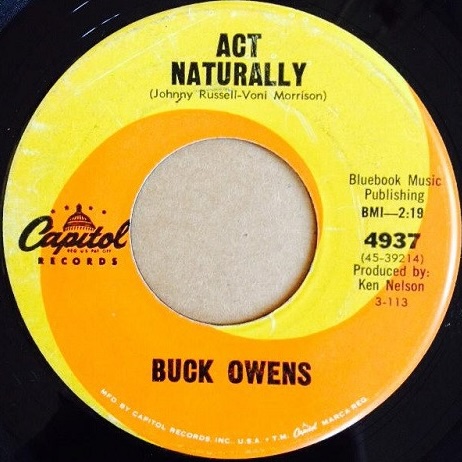
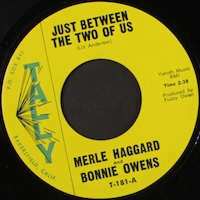
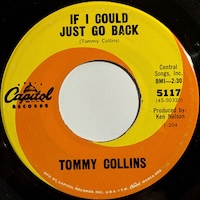
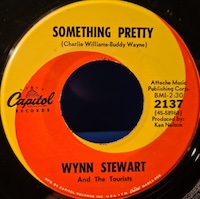
Key figures who popularized the Bakersfield sound include Buck Owens, Merle Haggard, and Wynn Stewart, who were pioneers of the style.
Other important contributors were Jean Shepard, Bonnie Owens, and musicians like Billy Mize, Tommy Collins, and Bill Woods who helped define the sound in its early stages.
"Sound samples"
 |
 |
 |
 |
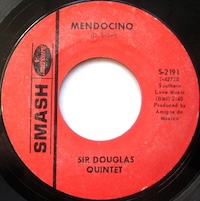
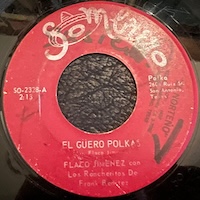
"Tex-Mex - early 60s"
Various new subgenres emerge through the rediscovery of forgotten styles and the fusion with other musical styles existing in the USA, such as Latin American music.
"Tex-Mex" became famous in the 70s, when it was also found in the country music charts.
"Sound samples"
 |
 |
 |
 |
"British Invasion - 1963/64s"
The British Invasion was a cultural phenomenon, when rock and pop music acts from the United Kingdom and other aspects of British culture became popular in the United States.
The British Invasion originated from British youth who were inspired by American Rock and Roll, R&B, Blues, Folk, Skiffle ..., which was brought to the UK by seamen on transatlantic ships.
British bands like "The Beatles" were heavily influenced by American musicians such as "Chuck Berry" and "Bo Diddley", as well as artists from Blues, R&B, and early Rock & Roll.
The phenomenon took off in 1964 when "The Beatles" appearance on American television sparked "Beatlemania" and a massive surge in interest in British bands like "The Rolling Stones", "The Kinks" and "The Animals".
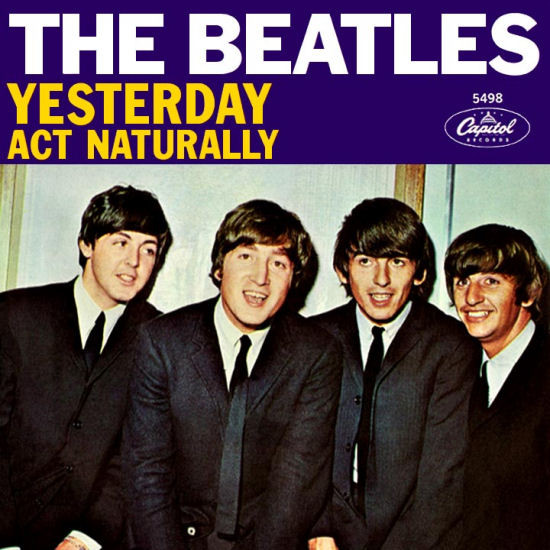
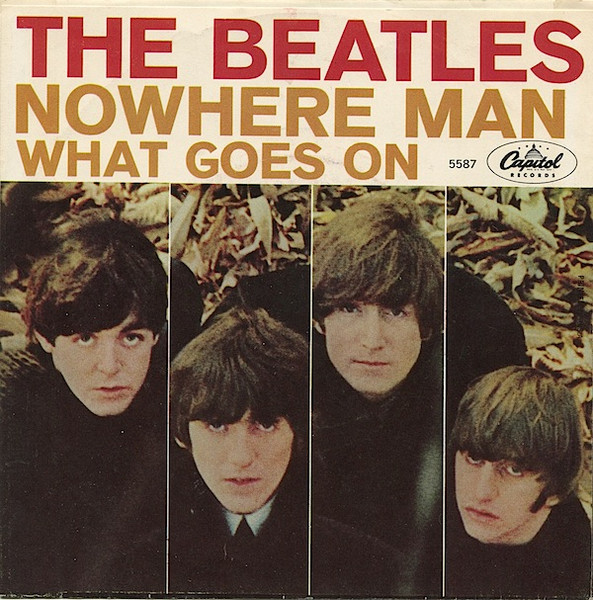
"The Beatles" recorded Buck Owens "Act Naturally" and maybe one of the first "Country Rock" songs "What Goes On".
"Sound samples"
 |
 |
"Folk Music revival - late50s - early 60s to Folk Rock - 1965"
After the first "Folk Music" revival in the late 1930s to the 1940s with "Woody Guthrie" and "Pete Seeger", another "Folk Music" resurgence started in the late 1950's,
The "Kingston Trio" won a "Grammy" 1959 for "Best Country Performance". (But at this time "Folk Music", had no own category!)
This paved the way for major artists such as "Bob Dylan" and "Joan Baez".
"Folk Rock" emerged in 1964/65 when electric instruments where integrated and rock rhythms were parts of their traditional acoustic sounds.
Key figures like "Bob Dylan" and "The Byrds" pioneered the genre by blending folk traditions with rock's energetic sound, sparking a significant cultural shift.
"Sound samples"
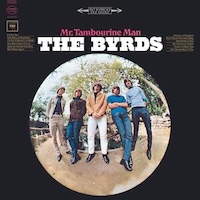 |
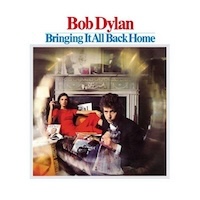 |
"California Country Rock - 1967"
"California Country Rock" is a genre that fuses elements of "Country" and "Rock'n'Roll", started in Southern California during the late 1960s,
an alternative to the smoothly produced music of the "Nashville Sound".
All these artists changed "Country Music" and laid the foundation for future "Country Music", which brought about a rockier sound:
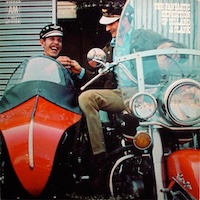
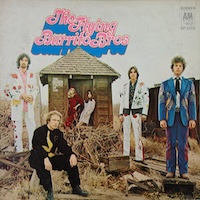
Key artists were The Byrds, Gram Parsons, The Flying Burrito Brothers, The Everly Brothers, Dillard & Clark, Nashville West (Clarence White, Gene Parsons, Gib Guilbeau & Wayne Moore)
The Eagles, The Gosdin' Brothers, Linda Ronstadt, The Corvettes, Earl Scruggs Revue, Nitty Gritty Dirt Band, The Youngbloods, The Loivn' Spoonful, Michael Nesmith, Beau Brummels, The Dillards
Poco, Buffalo Springfield, Ian & Sylvia, The Spencers, Pure Prairie League, New Riders of the Puprle Sage, Larry Murray, Longbranch Pennywhistle, Blackburn & Snow, Command Cody and his Lost Planet Airmen
The Band, Steve Young, Jerry Jeff Walker, Grateful Dead, Jonathan Edwards, John Stewart ....
"Sound samples"
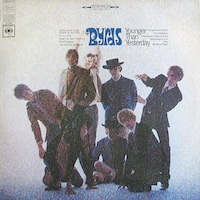 |
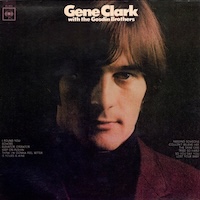 |
 |
 |
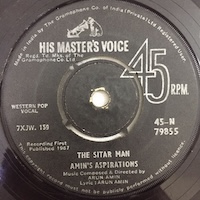
"Psychedelic-Folk-Rock, World Music - 1967"
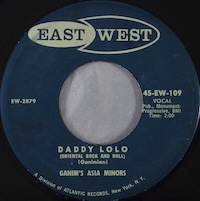
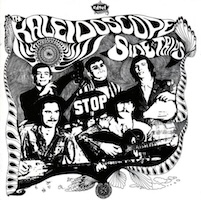
"Country Music" mixed with traditional music of the Middle East (with influences from Turkish, Arabic and Hebrew) as well as traditional music of Asia (especially Indian music).
Key members were David Lindley and Chris Darrow.
Initial attempts were even released on record as early as 1957.
"Sound samples"
 |
 |
 |
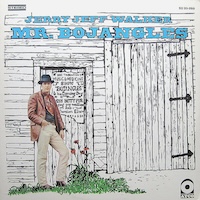
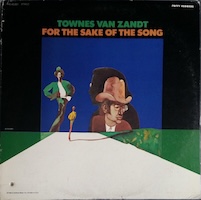
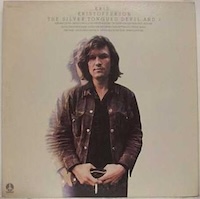
"Progressive Country - 1968"
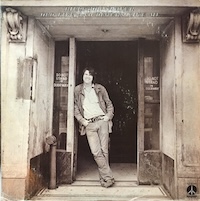
A new generation of country artists was embracing music and attitudes that grew out of the 1960s counterculture, this movement was called "Progressive Country".
"Progressive Country" performers wrote songs that were more intellectual and liberal in outlook than their contemporaries' songs.
Artists were more concerned with testing the limits of the country music tradition than with scoring hits.
"Progressive Country" was rootsier and more intellectual than many of its contemporary genres.
Later, the movement's spirit of rejecting the mainstream and focusing on rootsy, songwriter-based music would be reclaimed by "Alternative Country" artists in the 1980s and beyond.
"Sound samples"
 |
 |
 |
 |
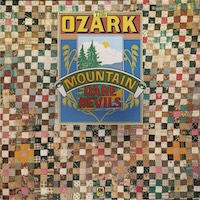
"Country Rock - 1971"
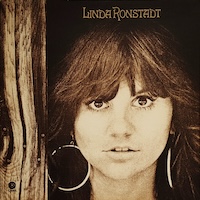
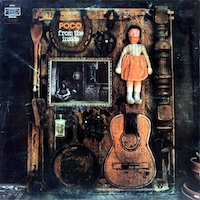
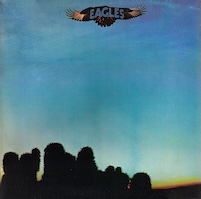
"Country Rock" is a subgenre of "Rock" that incorporated "Country Music" elements like pedal steel guitars, vocal styles, and themes.
It is characterized by a "Rock'n'Roll" vibe with more electric instruments and longer songs than traditional "Country music".
"California Country Rock" was more Country Music with "Rock" elements, "Country Rock" is more "Rock Music" with "Country Music" elements.
"Sound samples"
 |
 |
 |
 |
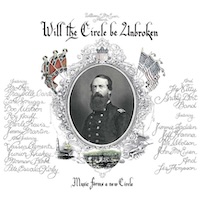
"Will The Circle Be Unbroken - 1971/72"
"The Nitty Gritty Dirt Band" was founded in September 1965 and is still active in 2025!
The group started with Skiffle, Folk-Rock, Jug, Bluegrass, Country-Rock, early Pop with Bluegrass instruments, had Pop success and so on .... and became a well-known Country band.
There is hardly a band that has been active and successful in so many genres.
In 1971 the "Nitty Gritty Dirt Band" asked "Earl Scruggs" and many other "older" Country Music stars to record the "Will The Circle Be Unbroken" album.
The album was considered a breakthrough in bridging generational and musical differences between the old guard of Nashville, Tennessee, and the younger country rock movement.
It is considered a landmark album and a Grammy Hall of Fame inductee.
The "Will the Circle Be Unbroken" album is a homage to the pioneers of "Country Music" and a salute to current artists who honor these diverse roots.
The circle is unbroken, because the music is handed down from generation to generation.
"Sound samples"
 |
|
"Newgrass - 1972"
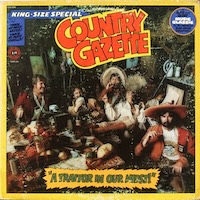
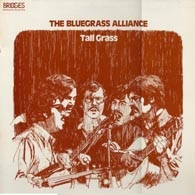
"Newgrass" is a progressive subgenre of "Bluegrass" music that blends traditional acoustic instruments with elements from other genres like Rock, Jazz, Reggae and Folk.
It is characterized by its modern, innovative approach, which can include electric instruments, non-traditional chord progressions, and extended improvisational sections.
"Sound samples"
 |
 |
 |
 |
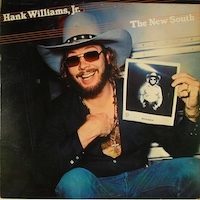
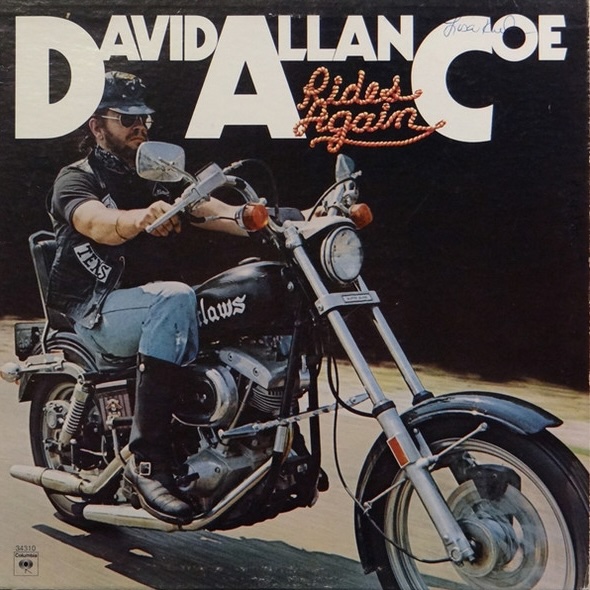
"Outlaw - 1973"
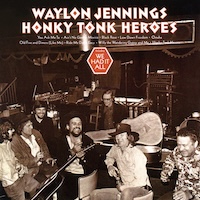
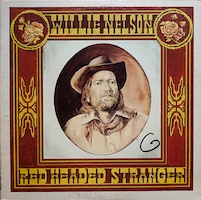
"Outlaw" was created by a small group of artists active in the 1970s and early 1980s, known collectively as the outlaw movement.
The artists fought for and won their creative freedom outside of the Nashville establishment that dictated the sound of most country music of the era.
They grew long hair, and replaced rhinestone-studded suits with leather jackets. Outlaw country artists spoke openly about smoking marijuana.
"Wanted! The Outlaws" released 1976, (a compilation album with Willie Nelson, Waylon Jennings, Jessi Colter and Tompall Glasser) became the first country album to be platinum-certified, reaching sales of one million.
"Sound samples"
 |
 |
 |
 |
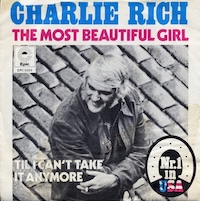
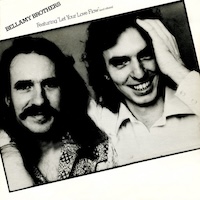
"Country Pop - 1973"
"Country Pop" is a music genre that blends traditional Country and mainstream Pop elements, aiming for a wider audience by combining the storytelling of Country with the catchy melodies and polished production of Pop.
It often features crossover success on both Country and Pop music charts.
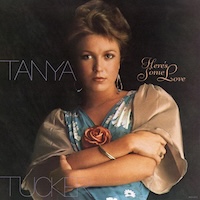
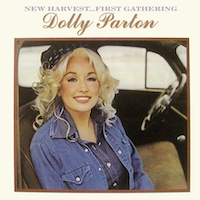
By the mid-1970s, many country artists were transitioning to the Pop-Country sound, which led to some records charting high on the mainstream top 40 and the Billboard country chart.
Fiddles were replaced by violins, and steel guitars were even completely eliminated. The 70s were a "golden age" for the genre
The film "Urban Cowboy" starring "John Travolta" was extremely successful for country music, triggering a boom and giving the genre greater mainstream appeal.
The success of the film and its country soundtrack led to increased sales, a crossover of country artists into the pop charts, and the emergence of the "Urban Cowboy movement".
"Sound samples"
 |
 |
 |
 |
"In-Law Country - 1975"
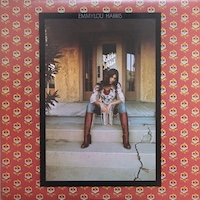
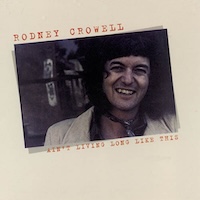
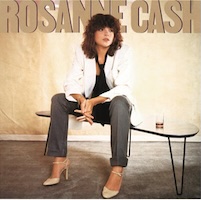
The "In-Law Country" movement was a community that revolved around "Emmylou Harris".
"Country Music" traditions that had gone out of style on Country radio, blended with Rock and Folk innovations that had never been accepted by that format.
"Emmylou Harris'" husband and producer "Brian Ahern" created the distinctive sound of this movement.
Harris's band members such as "Rodney Crowell", "Ricky Skaggs", "Emory Gordy Jr." and "Tony Brown" became producers themsleves.
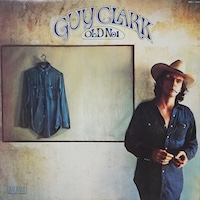
Key artists were those above mentioned plus "Rosanne Cash", "Vince Gill" "Steve Earle", "Guy Clark" ...
They grew out of the "California Country Rock" movement but were more "Country Music" musicians, committed to connecting with the mainstream country audience.
"Sound samples"
 |
 |
 |
 |
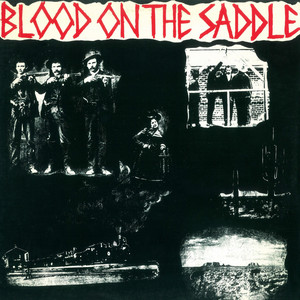
"Country Punk - Cowpunk - 1980"
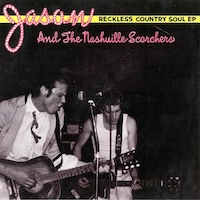
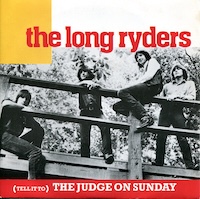
"Country Punk" or "Cowpunk" began in the United Kingdom and Southern California in the late 1970s and early 1980s.
It combines "Punk Rock" or "New Wave" with Country, Folk, and Blues in its sound, lyrical subject matter, attitude and style.
"Sound samples"
 |
 |
 |
 |
"Neo-Traditionalists - 1981"
Artists who revived traditional "Country Music" styles, rebelling against the pop-infused "Urban Cowboy" sound.
They brought back fiddles and steel guitars, it was a "back-to-its-roots" movement.
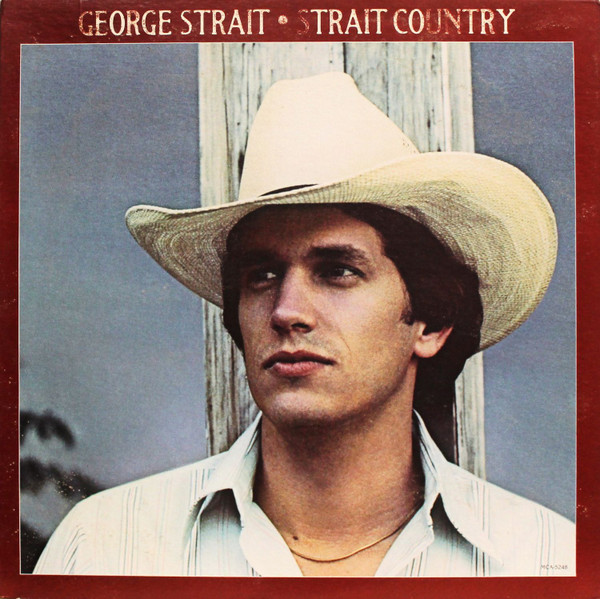
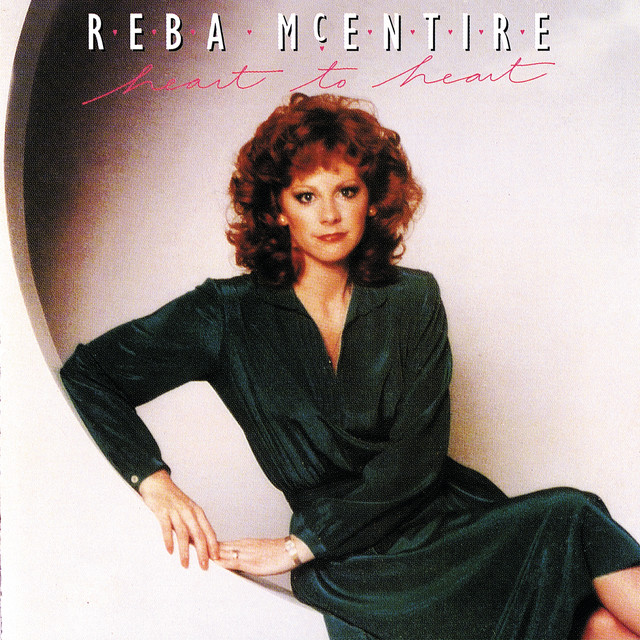
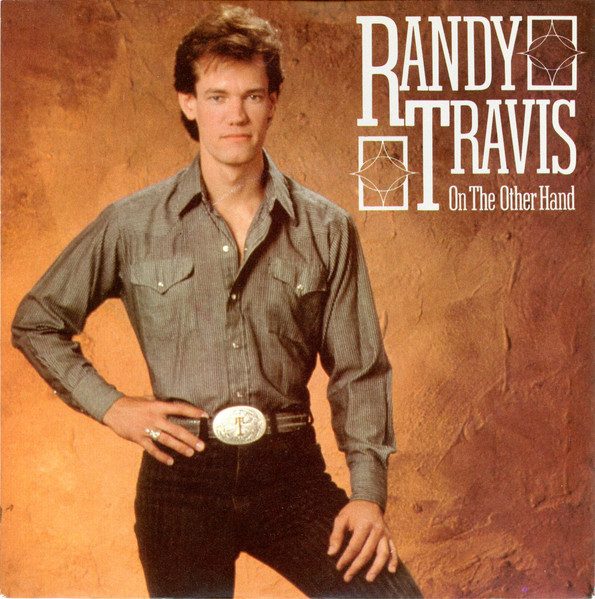
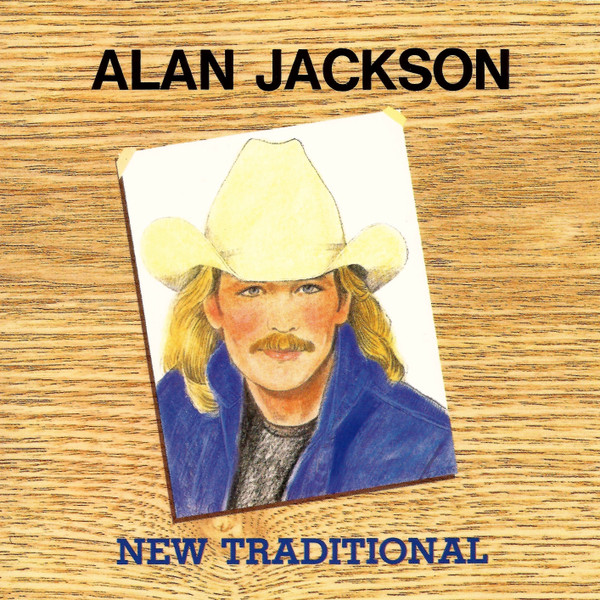
In the 80s the "Country Music" record sales grew significantly, fueled by crossover success and popular artists like Alabama and Kenny Rogers but also the "New-Traditionalists" like George Strait, Randy Travis and Reba McEntire.
"Sound samples"
 |
 |
 |
 |
"New Country - 1989"
A new generation of country singers, is ushering in a renewed approach to Pop music without abandoning the traditional roots of "Country Music".
They are cautiously incorporating classic rock instrumentation to reach a younger audience. Since it's fashionable for the male musicians to wear large cowboy hats, they are also known as "hat acts".
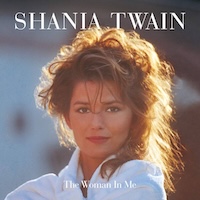
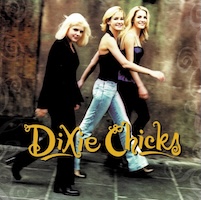
Artists like "Garth Brooks", "Shania Twain", "Billy Ray Cyrus", "Tim McGraw", "The Dixie Chicks", "Brooks & Dunn", "Travis Tritt" ... were achieving unprecedented sales figures.
All kinds of country genres are accompanied by catchy guitars, hard drum beats, and also fiddles and steel guitars. Everything is combined, but the country sound always shines through.
Albums by these artists are among the most successful albums of all time of all genres.
"Sound samples"
 |
 |
 |
 |
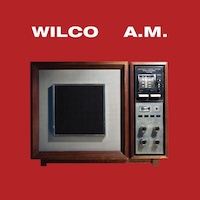
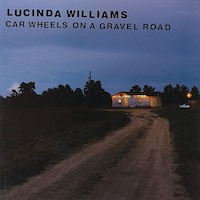
"Americana / Alternative Country / Roots Music - mid90s"
In the 1990s, radio consulting was driven by the wave of deregulation and market consolidation, particularly with the 1996 Telecommunications Act, which allowed large conglomerates to acquire numerous stations.
This shifted consulting from focusing on local market differences to a national model, it led to less diverse playlists, the suppression of local programming,
and the rise of "monopolies" that favored mainstream artists and national advertising strategies.
The focus on national, market-tested formats made it harder for independent or less mainstream artists to get airplay.
Local DJs who previously had the power to champion new music and tailor content to local tastes were increasingly sidelined in favor of national programming directives.
As a result, many, mostly independent, artists or record labels had no chance of being played on the radio.
"Rolling Stone" magazine notes:
"Americana" first came to fashion as a descriptive musical phrase in the mid-Nineties, when a group of radio promoters and industry outsiders dispersed throughout
Nashville, California and Texas sought to carve out a distinct marketplace for a wave of traditionally minded songwriters and artists whose work was no longer being served by a country music industry.
This new style of music reflected a renewed interest in traditional American music forms, and it helped to establish Americana music as a distinct and important genre in its own right.
"Americana Music" got its own charts and awards.
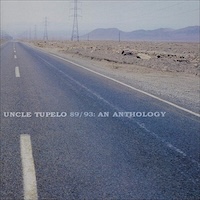
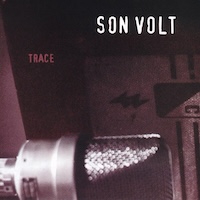
Many former "Country Music" artists like, Rodney Crowell, Emmylou Harris, Steve Earle ... switched to the "Americana" genre.
"Sound samples"
 |
 |
 |
 |
"The New Millenium"
Following "New Country" and "Americana", country music continued to evolve, with modern country artists blending influences from (Southern) rock, pop, blues, and soul.
Simultaneously, new forms emerged incorporating elements of hip-hop and R&B into "Country Music".
Beyonce's 2024 album "Cowboy Carter" also exemplifies this evolution, blending traditional country music with other genres and the history of Black artists.
As I already wrote at the beginning of this page:
"COUNTRY MUSIC IS ANY RECORD "COUNTRY RADIO" WILL PLAY AND "COUNTRY FANS" WILL BUY!"
For all the "Country Music" styles described on this page, there are still artists who cultivate the style and continue the tradition.
Whether it's Western Swing, Bluegrass, Traditional Country, Country Rock ... some even better and, of course, more successful than the "inventors" of the music genre.
In celebration of "The 50th Annual CMA Awards", CMA has created the biggest music video in Country Music history.
Titled "Forever Country", the single and accompanying music video features 30 CMA Award-winning acts and is combining three songs:
"Country Roads", "On The Road Again" and "I Will Always Love You".
This video is "Will The Circle Be Unbroken" from the second "Circle Album" by "The Nitty Gritt Dirt Band" with a lot of "Country Music" and related artists..
Join our Facebook pages:
"THE FLYING BURRITO BROTHERS - BAND & SOLO"
or
"From GOLDEN STATE BOYS, KENTUCKY COLONELS and DILLARDS to COUNTRY GAZETTE"
and
"MUSICAL FAMILY TREES & DISCOGRAPHIES"
Back to www.burritobrother.com